World Boxing
World Boxing is an international non-profit federation for Olympic boxing, publicly launched in April 2023. It emerged as a response to the governance crisis in the former international system and became the organization through which boxing returned to the program of the Los Angeles 2028 Olympic Games.
Current status
World Boxing has held provisional Olympic recognition from the IOC since February 2025. On 20 March 2025, the IOC Session included boxing in the LA28 program, and World Boxing became the international federation responsible for the qualification pathway and the Olympic tournament in Los Angeles.
Organization profile
| Parameter | Value |
|---|---|
| Full name | World Boxing |
| Legal form | international non-profit sports federation |
| Headquarters | Avenue de Rhodanie 2, CP 975, 1001 Lausanne, Switzerland |
| President | Gennadiy Golovkin |
| Secretary General | Tom Dielen |
| Olympic status | provisional IOC recognition since 2025 |
| Main Olympic cycle | LA28 boxing qualification and tournament |
| Main competitions | World Boxing world championships, World Boxing Cup, continental qualifying tournaments |
Olympic status and LA28
Formal rapprochement with the IOC began in 2024, when World Boxing held its first official meeting with the International Olympic Committee. In February 2025, the IOC granted World Boxing provisional recognition as the international boxing federation within the Olympic movement.
On 20 March 2025, the IOC Session included boxing in the program of the LA28 Olympic Games. This decision cemented World Boxing's practical role: the organization is responsible for building the qualification pathway, agreeing participation rules, and running the Olympic boxing tournament in Los Angeles.
The LA28 qualification system is built around world championships, continental tournaments, and world qualifying events. For national federations, this means that participation in the Olympic pathway is now tied to World Boxing and IOC requirements.
Boxing at the Olympic Games
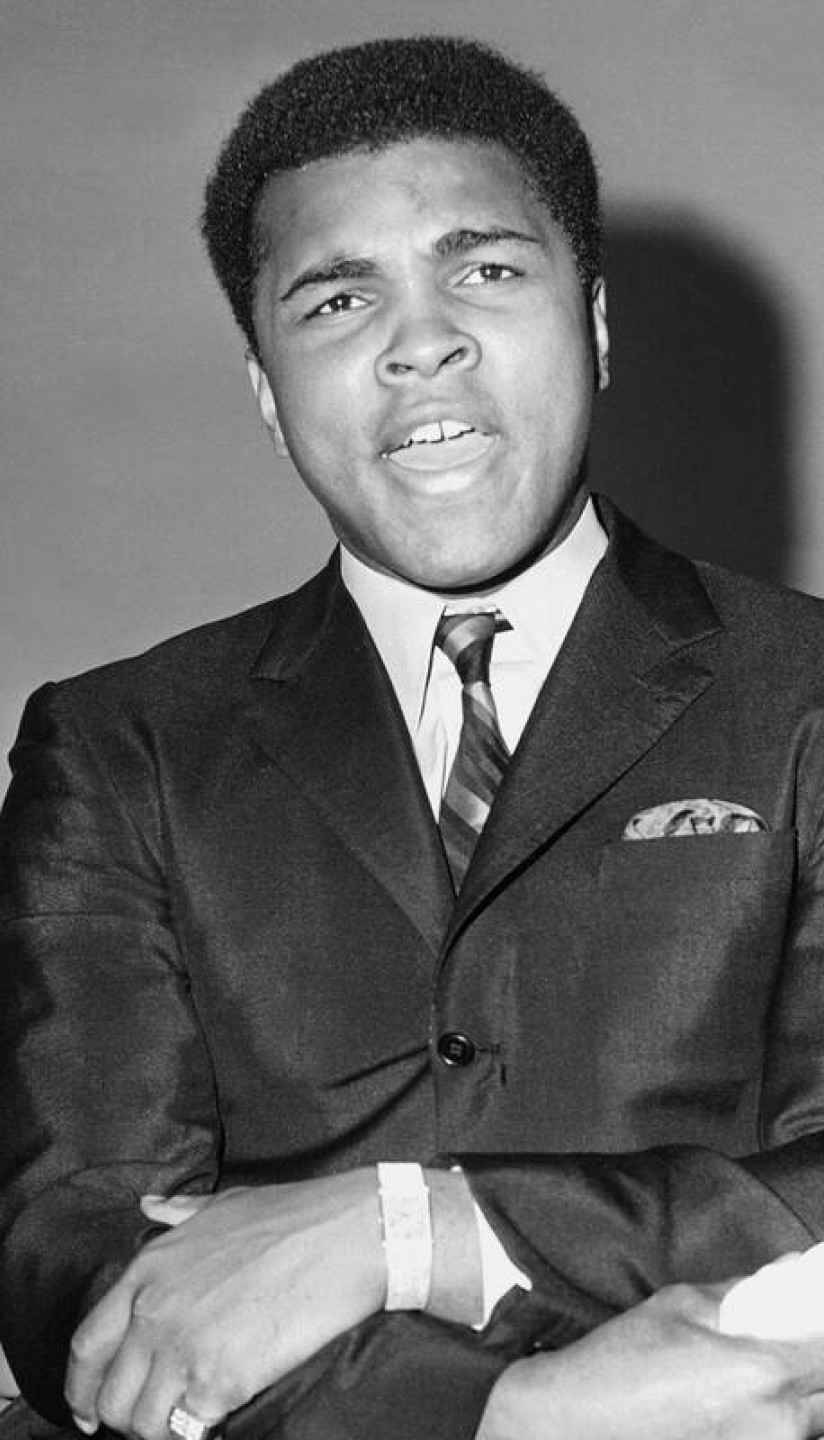
How the format of the Olympic tournament has changed since its debut in 1904, the judging scandals and reforms, women's boxing — and complete statistics on Olympic champions in every weight category from 1904 to 2024.
Read more →Governance
World Boxing places emphasis on transparent governance, independent oversight, and athlete representation. Its executive structure includes voting representatives of the boxers, and the organization's statutes and policies set out separate procedures for elections, ethics, conflicts of interest, anti-doping, prevention of competition manipulation, and financial control.
In 2025, Gennadiy Golovkin became president of World Boxing — a silver medalist at the 2004 Olympic Games and a former professional world champion. His arrival boosted the organization's public standing: World Boxing gained a leader who had himself gone from Olympic boxing to the professional summit. In 2026, Tom Dielen, who had spent many years working in international Olympic sport, took over as Secretary General.
In 2026, World Boxing continued building out its institutional framework: measures were approved to develop the ethics committee, financial audit, independent vetting of candidates for elected office, and preparation for the next congress. The organization also underwent an assessment against ASOIF governance standards, from which it received a baseline benchmark for further reforms.
| Level | Role |
|---|---|
| Congress | the federation's supreme body: statutes, elections, admission and expulsion of national federations |
| Executive Board | strategic governance between congresses |
| President and Secretary General | political leadership and operational coordination |
| Athletes Committee | representation of boxers in decision-making |
| Sports and medical committees | competition rules, calendar, safety, anti-doping |
| Ethics and disciplinary mechanisms | independent oversight, conflicts of interest, complaints and sanctions |
Competitions
World Boxing is building its own competition system around Olympic boxing. The central elements are world championships, World Boxing Cup tournaments, rankings, and LA28 qualifying tournaments. Unlike professional organizations, World Boxing does not award championship belts for commercial title bouts; its model is oriented toward national teams, Olympic weight categories, international tournaments, and the rules of Olympic boxing.
For LA28, the key principle is an equal Olympic program for men and women. Qualification must take into account continental representation, world tournaments, and IOC-approved quotas, so that the path to the Games is clear to federations well in advance.
National federations
World Boxing's membership expanded rapidly after its launch. By early 2025 the organization reported 60 national federations; by February 2025, at the time of provisional IOC recognition, the figure was already more than 80 federations, and by the 2026 congress the number of members and applicants continued to grow.
The membership structure does not match that of the IBA. In the United States, World Boxing works with USA Boxing, whereas the IBA system lists the US Boxing Federation. In Germany, World Boxing is affiliated with the Deutscher Boxsport-Verband (DBV), while the IBA is linked to a different organization. In Mexico, the FMB moved over to World Boxing, while in the IBA's current status list it appears in the resigned/terminated group. In Russia, Kazakhstan, Romania, Moldova, Cuba, and a number of other countries, the international structures may point to the same national federation.
The map below shows the current membership of World Boxing's national federations, based on the official directory: countries with a dedicated StrikerStat article are highlighted in the primary color and open a country article, while the rest of World Boxing's members are shown in a muted color and display the federation's name in a tooltip. For small island territories and federations without a polygon in the base map, point markers are used instead.
Practical significance
For athletes, World Boxing today matters above all as an Olympic pathway. If a boxer is building a route to LA28, their national federation must take into account World Boxing rules, qualifying tournaments, and IOC requirements. For federations, this is not just a scheduling question but a question of international legitimacy: membership in World Boxing is tied to admission to the Olympic cycle, recognition by the Olympic movement, and access to the tournaments where Olympic rankings and qualification are decided.
At the same time, World Boxing remains a young organization. Its long-term stability depends on whether it can retain the IOC's trust, expand its membership base, and run transparent competitions.