Boxing in Russia
Russia is one of the leading nations in the world school of amateur boxing: the sport developed here through pre-revolutionary clubs, the Soviet system of sports societies, youth sports schools and Olympic reserve colleges, and, after 1991, through the national Boxing Federation of Russia. The strength of this system is its broad regional base: major centers exist not only in Moscow and St. Petersburg, but also in the North Caucasus, the Volga region, Siberia, the Urals and the Far East.
Organizational structure
The Boxing Federation of Russia (FBR) is the all-Russian organization that governs Olympic and professional boxing within the country, runs national championships, forms national teams and oversees regional structures. The FBR's central office is located in Moscow, at Luzhnetskaya Embankment 8.
International status
The FBR is a member of both IBA and World Boxing. World Boxing's Executive Board approved the Russian federation's application in March 2026; in April the admission procedure through AIN status was published, and on 30 July 2026 World Boxing announced that Russian athletes may compete in the organization's events as representatives of their national federation, subject to separate monitoring of delegation conduct and compliance with anti-doping protocols.
The FBR's internal structure is organized by federal districts and regions. The official "Regions" page lists federal district directorates and regional federations: for example, the federations of Moscow, St. Petersburg, Dagestan, Tatarstan, Bashkortostan, Krasnodar Krai, Khabarovsk Krai, Sakhalin Oblast, the Republic of Sakha (Yakutia) and other constituent entities of Russia. Regional organizations run the local competition calendar, work with sports schools and are responsible for selecting athletes for interregional and all-Russian competitions.
Below the regional level operates the sporting ladder familiar throughout Russia: boxing departments within children's and youth sports schools (DYuSSh), sports schools of the Olympic reserve (SShOR), Olympic training centers, Olympic reserve colleges, as well as clubs affiliated with sports societies, universities, departmental structures and municipal institutions. For a boxer, these are usually not separate worlds but a consistent ladder: a district section, a city championship, a regional team, a federal district, the Russian championship and, eventually, the national team.
Sports societies historically played an important role. In the USSR, a boxer was almost always affiliated not only with a city or republic, but also with a society: Dynamo, TsSKA, Spartak, Trudovye Rezervy (Labor Reserves), Burevestnik, Lokomotiv, Zenit, Urozhay and others. These names were not decorative labels but real training pipelines: the societies had gyms, coaches, a calendar of internal competitions, departmental support and the right to field teams at city, republican and all-union competitions.
TsSKA and the army clubs gave boxers a stable training base, training camps and strong competition within sports companies. Dynamo relied on the departmental system of the security and police services, where combat sports were part of the professional culture. Spartak was a mass urban society with a strong network of sections, Trudovye Rezervy operated through vocational schools and often picked up working-class teenagers, Burevestnik brought together students and universities, while Lokomotiv and Zenit were tied to major industry-sector collectives. That is why the Soviet school cannot be reduced to a single national team: the national team was the top of the pyramid, while the base was formed by the societies, youth sports schools, factory and student sections, republican committees and coaching groups.
The map below shows Russia's regional federations as colored areas by federal subject, the FBR head office, federal district directorates and short labels for regional federations at their office locations. The federations on the map are shown according to FBR data. The full name of a regional federation, its address and a link open in a tooltip when you hover over the corresponding territory or label.
The data on the map is drawn from the official "Regions" section of the Boxing Federation of Russia (FBR).
Sports ranks and titles
Russia's training system is tied not only to clubs and federations but also to the Unified All-Russian Sports Classification (EVSK). For a boxer, this is a formal ladder of sporting mastery: a rank or title is awarded not for club membership or at a coach's discretion, but for a result achieved at official competitions included in the Unified Calendar Plan or regional/municipal calendar plans, subject to the EVSK requirements for the sport of boxing.
| Level | Full name | What it means in boxing |
|---|---|---|
| 3rd Junior rank | Third junior sports rank | The initial confirmed competitive level for young athletes; shows that the boxer already competes under official rules and has met the minimum requirements for their age. |
| 2nd Junior rank | Second junior sports rank | The next level within the youth development pathway: the athlete regularly takes part in tournaments and gains experience in official bouts. |
| 1st Junior rank | First junior sports rank | The top junior level before moving on to "adult" sports ranks; usually requires a stronger result at competitions of the corresponding level. |
| 3rd sports rank | Third sports rank | The first adult classification level: the boxer now enters the general system of adult sports ranks rather than just the junior bracket. |
| 2nd sports rank | Second sports rank | An intermediate level of regional competitive practice; confirms a consistent result rather than a single appearance. |
| 1st sports rank | First sports rank | A high rank just below Candidate Master of Sport; often the practical threshold for selection to stronger regional and interregional competitions. |
| CMS | Candidate Master of Sport of Russia | The pre-mastery level: the athlete must already show results at a serious official tournament, usually with a sufficient number of bouts and opponents. |
| MS | Master of Sport of Russia | A national sporting title; in boxing it denotes the level of a strong all-Russian athlete who has come through high-ranking official competitions. |
| MSMK | Master of Sport of Russia, International Class | A title for results at international level: world and European championships, major international competitions, the Olympic pathway and other events listed in the EVSK. |
| ZMS | Honored Master of Sport of Russia | An honorary title for outstanding achievement; it is not simply the next rank after MSMK, but state recognition of an especially significant result. |
In practice, the path looks like this: an athlete starts in a section or sports school, competes in city and regional tournaments, earns junior and adult sports ranks, moves through the championships of their region to the federal district level, then to the Russian junior championship, the Russian championship or the Russian Cup. From there, two paths are possible: selection to Russia's reserve squad and national team through the FBR system, or a move to professional boxing after a strong amateur foundation.
Important
The EVSK changes with Olympic cycles and orders from the Ministry of Sport: the minimum age, required placement, tournament level and minimum number of bouts contested should be checked against the current version of the boxing standards. But the underlying logic stays the same: the higher the level, the higher the competition's status, the stronger the field, and the stricter the requirements.
For which documents are required for tournament admission, how to formalize a transfer from another sport, and how the FBR/RUSADA anti-doping controls work, see the article "Admission, ranks and anti-doping in Russia".
History
The first clubs and the Russian Empire championship (1887–1917)
Boxing activity first appeared in Russia before a unified federation existed. The FBR's official historical account traces its early development to a section at the St. Petersburg Athletic Society in 1887 and a Moscow club founded by guards officer Mikhail Kister in 1894. In the early 20th century, boxing remained a semi-amateur urban pastime, but it gradually separated itself from gymnastics, wrestling and French boxing (savate).
In 1913, Ivan Grave, a resident of St. Petersburg, issued a newspaper challenge to all boxers in Russia after a trip to London. His bouts against St. Petersburg opponents became the symbolic first national championship, and Grave himself was declared the first champion of Russia.
The Soviet system (1920s–1991)
In the USSR, boxing quickly became part of the state sporting model: sections operated at sports societies, factories, universities, in the army and at children's and youth sports schools. In the 1920s and 1930s, boxing gradually moved from urban clubs to a system of championships and national teams; coaching methodology took shape around discipline, fundamental technique, physical preparation and selection through competition. Unlike the professional Western market, Soviet boxing was built as elite amateur sport: an athlete represented a society, a city, a republic or a department, not a promoter.
The pre-war system was still uneven, but it already produced figures who became a bridge between early urban boxing and the postwar school. What mattered was not only the champions but also the coach-organizers: they turned boxing from a collection of individual gyms into a methodical system with rank standards, training camps and an all-union calendar.
After the Great Patriotic War, the system became much denser. In 1952 in Helsinki, Soviet boxers stepped into the Olympic ring for the first time and won medals immediately; by 1956 the team had already won its first Olympic golds. That was when a school took shape that became known for high physical conditioning, disciplined work at range, defensive discipline and the ability to fight to a plan. A network of coaches played a major role: strong groups emerged in Moscow, Leningrad, Perm, Astrakhan, Sverdlovsk, the North Caucasus and the union republics.
In the 1960s, the Soviet national team became one of the most stable teams in world amateur boxing. By then the system worked as a multi-stage machine: championships of sports societies, cities and republics weeded out the weaker boxers, the USSR championship tested the strongest, and the national team refined technique and tactics at international training camps. For many boxers, making the team was no less difficult a task than the international tournament itself.
In the 1970s, the Soviet model deepened further. The USSR championship was often comparable in difficulty to an international tournament, because representatives of different republics, sports societies and departments competed for a place on the national team. At the same time, the Soviet school was not uniform: the lighter divisions prized tempo and combination punching, the middleweights prized distance control and accuracy, and the heavyweights prized physical power, but almost everywhere defensive discipline and the ability to fight on points were required.
In the 1980s, the Soviet school remained powerful, though international competition grew tougher: Cuba, the United States, East Germany, Bulgaria, Poland and other teams regularly put pressure on across the weight divisions. At the 1980 Moscow Olympics, Soviet boxers won a strong medal haul, and the USSR's final Olympic cycle ended against the backdrop of the country's collapse: at the 1992 Games, athletes from the former Soviet republics competed as the Unified Team, after which boxing finally split along national federations.
The Russian Federation (1992–2012)
After the collapse of the USSR, the Russian national team inherited a strong coaching base and immediately remained among the leaders of amateur boxing. At the 1996 Olympic Games in Atlanta, Oleg Saitov won gold in the welterweight division, then repeated his success at Sydney 2000 and received the Val Barker Trophy as the outstanding boxer of the tournament. In 2004, the Russian team won three Olympic golds at once: Alexei Tishchenko, Gaydarbek Gaydarbekov and Alexander Povetkin.
During this period, the connection between the regions and the national team worked especially well: Samara Oblast produced Saitov, Omsk produced Alexei Tishchenko, Kursk produced Povetkin, and the North Caucasus produced a whole series of boxers of international caliber. The Russian team remained part of the old Soviet methodical school, but was now competing in a new tournament reality: weight categories, judging systems and the attitude of the strongest amateurs toward turning professional were all changing.
The Olympic system gave Russia not only amateur titles but also a notable professional legacy. After winning gold at Athens 2004, Alexander Povetkin turned professional and became one of the best-known Russian heavyweights of the 21st century.
Professional boxing and the new international environment (from the 2000s)
Professional boxing developed unevenly in Russia: for a long time the most prominent Russian champions competed through foreign promoters, but by the 2000s and 2010s the domestic market had grown larger, and major fights began to be held regularly in Moscow, St. Petersburg, Yekaterinburg, Kazan and other cities.
In women's boxing, Russia has also produced strong athletes: Sofya Ochigava won silver at the 2012 Olympics, and Anastasia Belyakova won bronze at the 2016 Olympics. The advent of Olympic women's boxing changed the internal structure of training: women's departments became part of the same schools and centers as the men's teams, but with their own competitive pathway.
In the 2020s, Russian boxing operates in a changed international environment: IBA and World Boxing exist in parallel, Olympic qualification is tied to World Boxing, and the national federation must take into account not only sporting but also organizational and political conditions of admission. At the same time, the domestic system remains broad: the Russian championships, federal district championships, regional federations and Olympic reserve schools continue to supply the main flow of athletes.
Achievements
Historical timeline of achievements
| Period | Key result |
|---|---|
 Russian Empire (before 1917) Russian Empire (before 1917) | The emergence of the first stable clubs and the first Russian championship in 1913; the Russian Empire won no Olympic medals in boxing. |
 USSR (1952–1988) USSR (1952–1988) | Arrival at Olympic level, 51 medals, and the formation of one of the world's leading amateur schools. |
 Unified Team (1992) Unified Team (1992) | A transitional team of the former Soviet republics: the last Olympic medals of the shared Soviet school. |
 Russian Federation and ROC Russian Federation and ROC | An independent Russian Olympic team, a period competing under the ROC designation at Tokyo 2020, professional champions and a broad regional FBR structure. |
Olympic medals of the Soviet and Russian school
| Team and period | Gold | Silver | Bronze | Total |
|---|---|---|---|---|
| USSR (1952–1988) | 14 | 19 | 18 | 51 |
| Unified Team (1992) | 0 | 1 | 1 | 2 |
| Russian Federation (1996–2016) | 10 | 5 | 15 | 30 |
| ROC (Tokyo 2020) | 1 | 1 | 4 | 6 |
| Total for the Soviet/Russian line | 25 | 26 | 38 | 89 |
How to read this table
The USSR row includes the entire Soviet national team, in which athletes from various union republics competed. The 1992 row refers to the Unified Team of the former Soviet republics. For modern Russia, the statistics of the Russian Federation for 1996–2016 and the ROC team at the Tokyo 2020 Games are shown separately, because official Olympic statistics treat them as different designations.
Olympic champions of the USSR connected to the Russian school
This table does not repeat the entire USSR national team: it collects Olympic champions whose biography and sporting base are connected to the RSFSR or the Russian school. Champions from other union republics are counted in the general USSR row above, but are not mixed into the Russian regional line.
| Boxer | Olympic achievements | Sporting line |
|---|---|---|
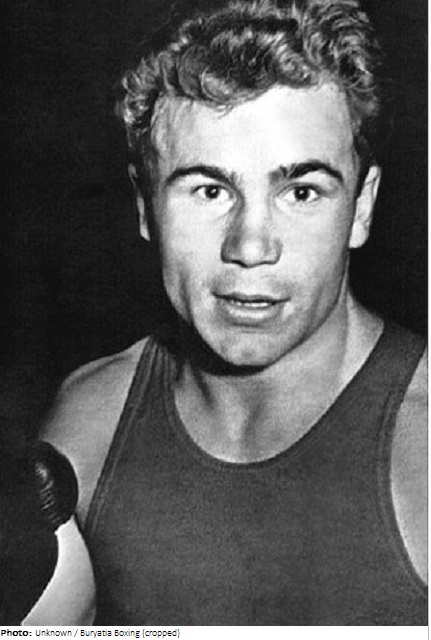 Vladimir Safronov Vladimir Safronov | Gold, Melbourne 1956, up to 57 kg | Irkutsk, Moscow Armed Forces |
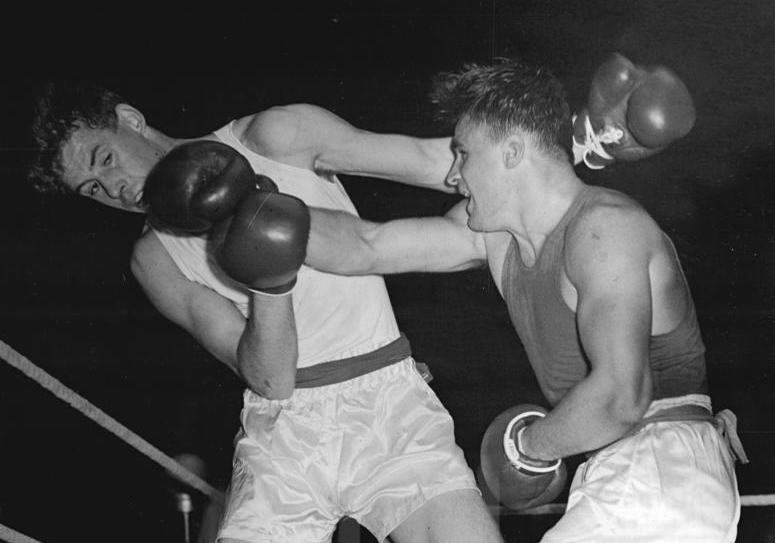 Gennady Shatkov Gennady Shatkov | Gold, Melbourne 1956, up to 75 kg | Leningrad school |
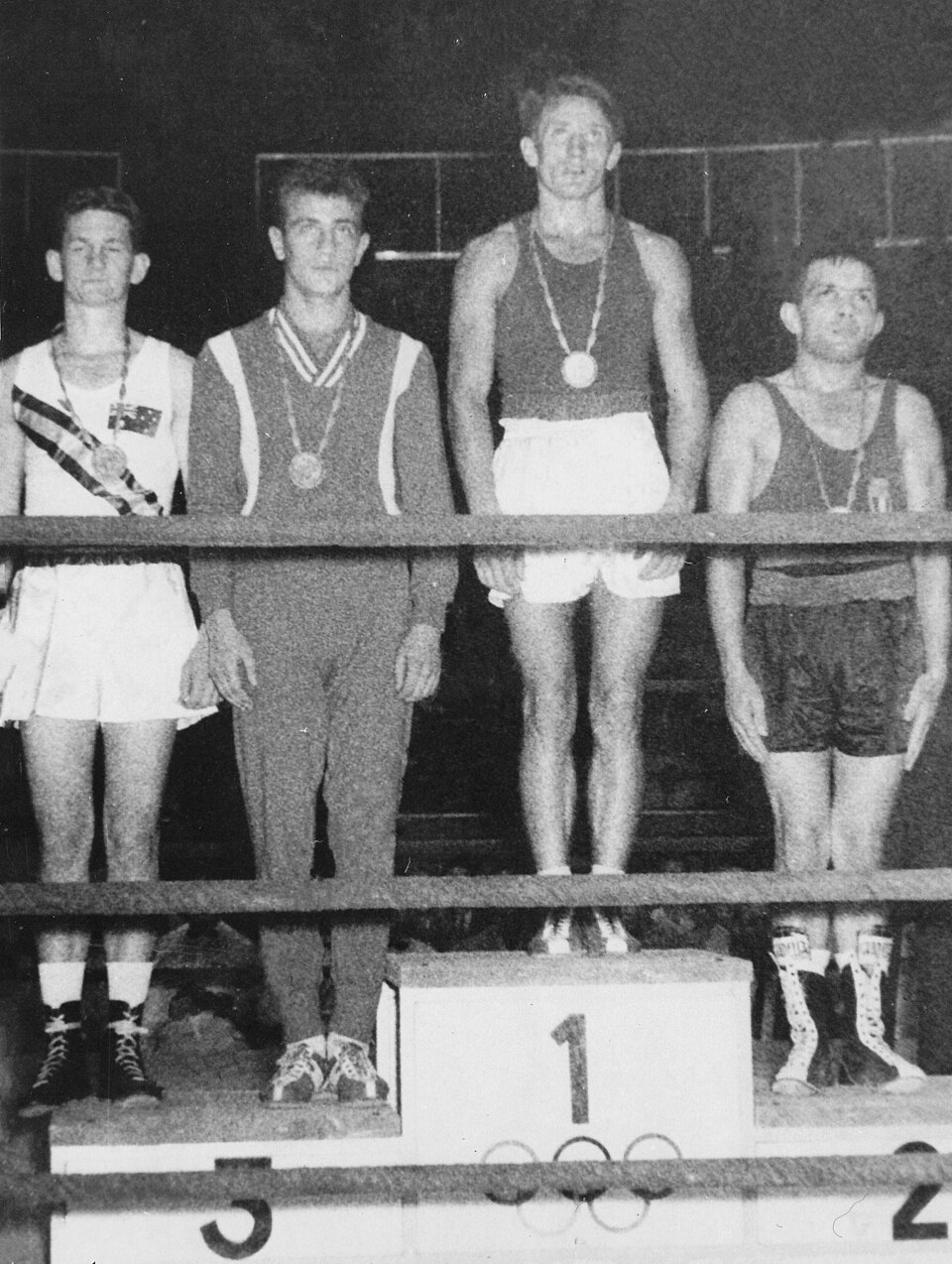 Oleg Grigoryev Oleg Grigoryev | Gold, Rome 1960, up to 54 kg | Moscow, Trudovye Rezervy / TsSKA |
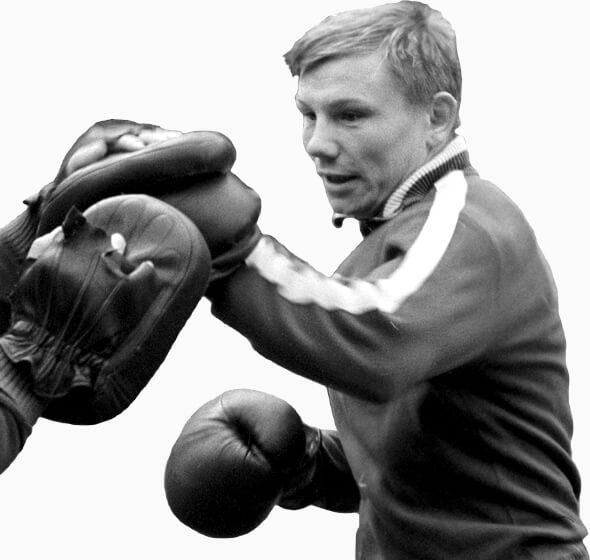 Stanislav Stepashkin Stanislav Stepashkin | Gold, Tokyo 1964, up to 57 kg | Moscow, Moscow Oblast coaching line |
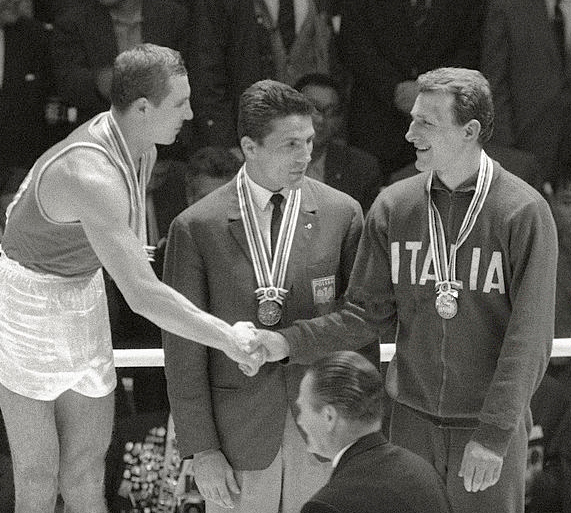 Valeri Popenchenko Valeri Popenchenko | Gold, Tokyo 1964, up to 75 kg; Val Barker Trophy | Moscow, Leningrad departmental base |
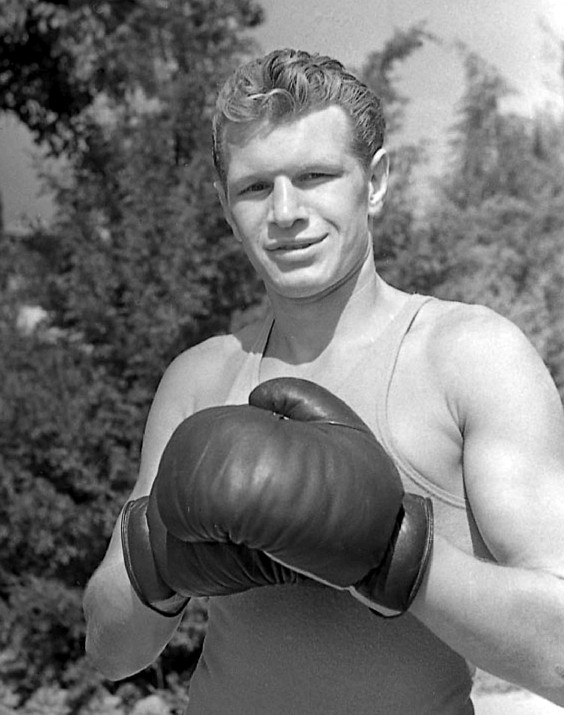 Boris Lagutin Boris Lagutin | Gold, Tokyo 1964 and Mexico City 1968, up to 71 kg; bronze, Rome 1960 | Moscow |
 Valerian Sokolov Valerian Sokolov | Gold, Mexico City 1968, up to 54 kg | Chuvashia, Dynamo Cheboksary |
 Boris Kuznetsov Boris Kuznetsov | Gold, Munich 1972, up to 57 kg | Astrakhan school |
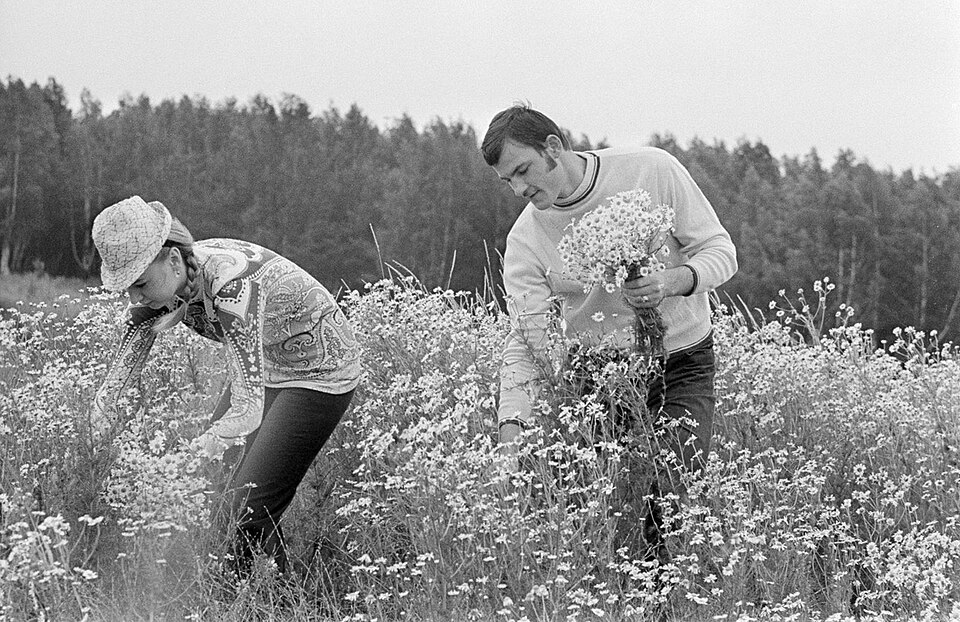 Vyacheslav Lemeshev Vyacheslav Lemeshev | Gold, Munich 1972, up to 75 kg | Moscow Oblast |
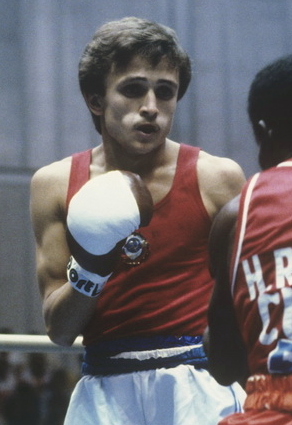 Shamil Sabirov Shamil Sabirov | Gold, Moscow 1980, up to 48 kg | Sverdlovsk Oblast, Trud |
Olympic champions of independent Russia and the ROC
| Boxer | Olympic achievements | School/region |
|---|---|---|
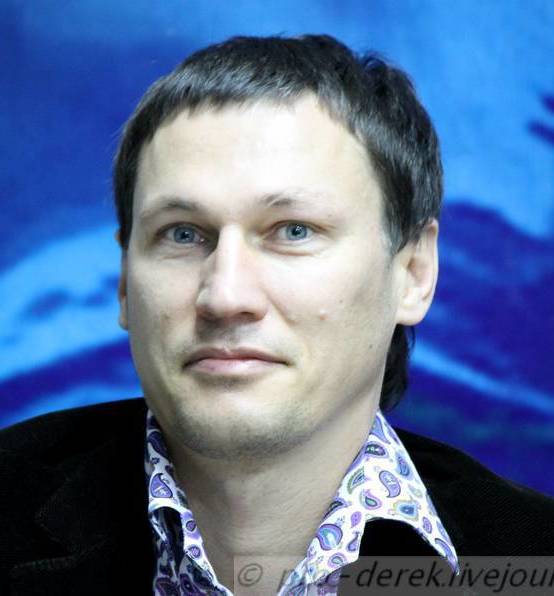 Oleg Saitov Oleg Saitov | Gold, Atlanta 1996 and Sydney 2000, up to 67 kg; bronze, Athens 2004; Val Barker Trophy 2000 | Zhigulyovsk / Samara, Lokomotiv |
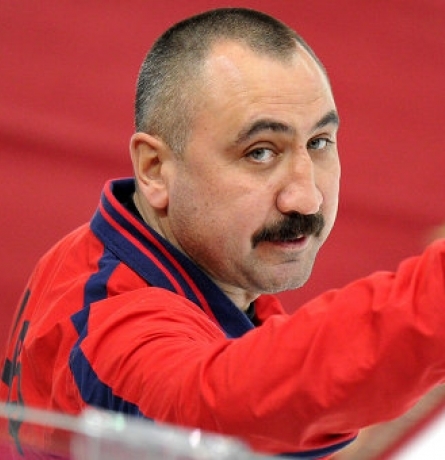 Alexander Lebziak Alexander Lebziak | Gold, Sydney 2000, up to 81 kg | Moscow, TsSKA |
 Alexei Tishchenko Alexei Tishchenko | Gold, Athens 2004, up to 57 kg; gold, Beijing 2008, up to 60 kg | Omsk school |
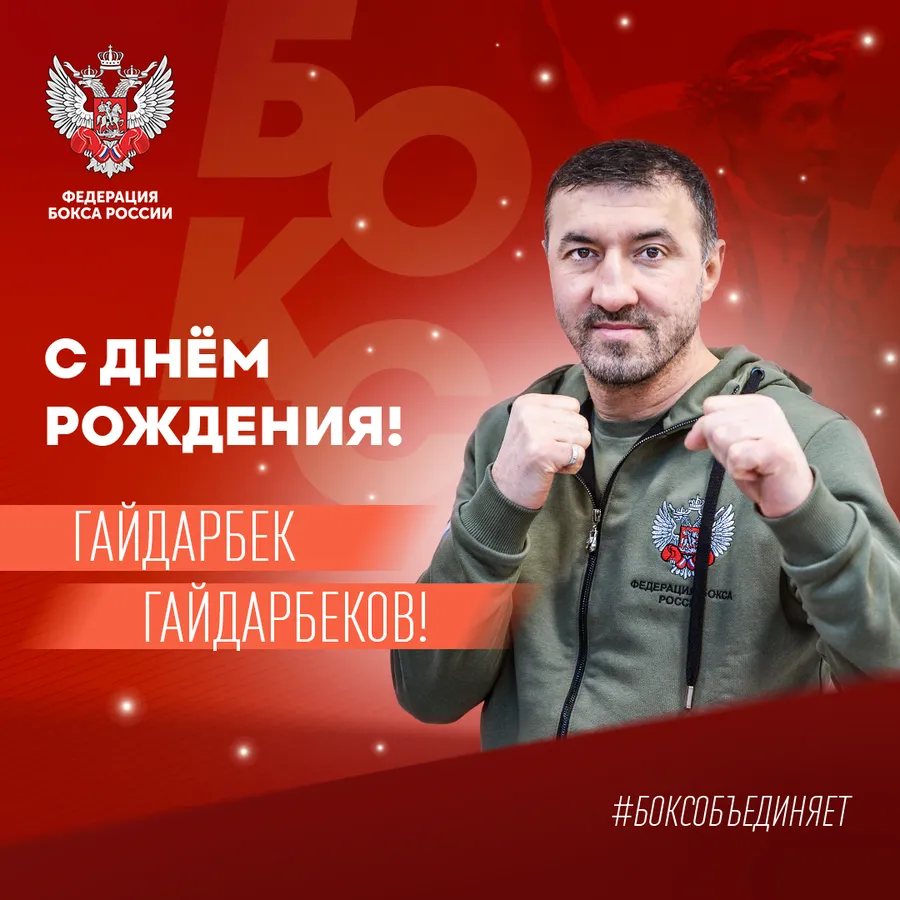 Gaydarbek Gaydarbekov Gaydarbek Gaydarbekov | Gold, Athens 2004, up to 75 kg; silver, Sydney 2000 | Dagestan school |
 Alexander Povetkin Alexander Povetkin | Gold, Athens 2004, over 91 kg | Kursk / Podolsk, TsSKA |
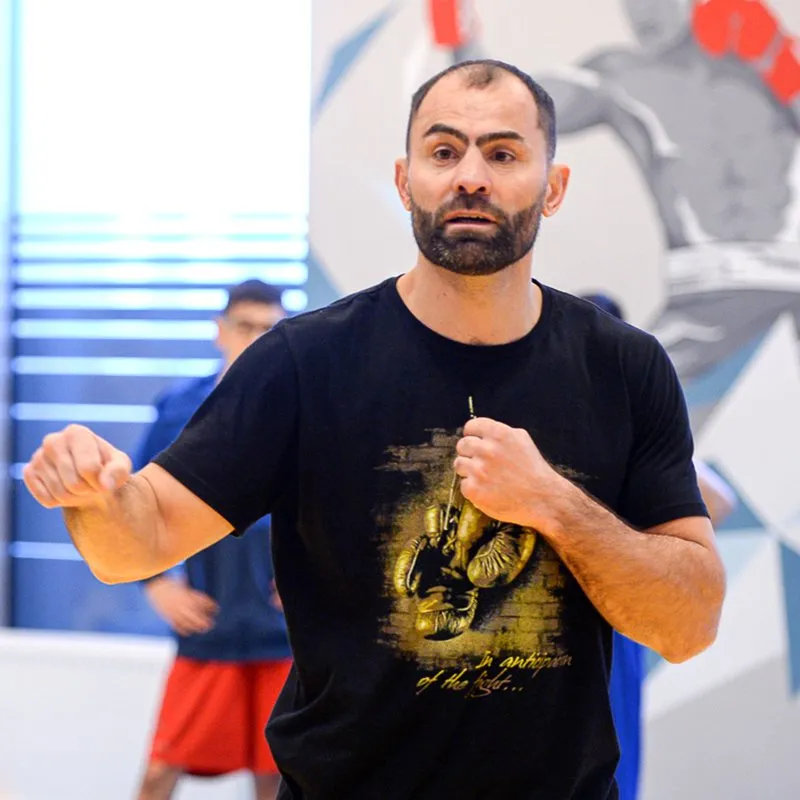 Rakhim Chakhkiev Rakhim Chakhkiev | Gold, Beijing 2008, up to 91 kg | Ingushetia, Moscow national-team structure |
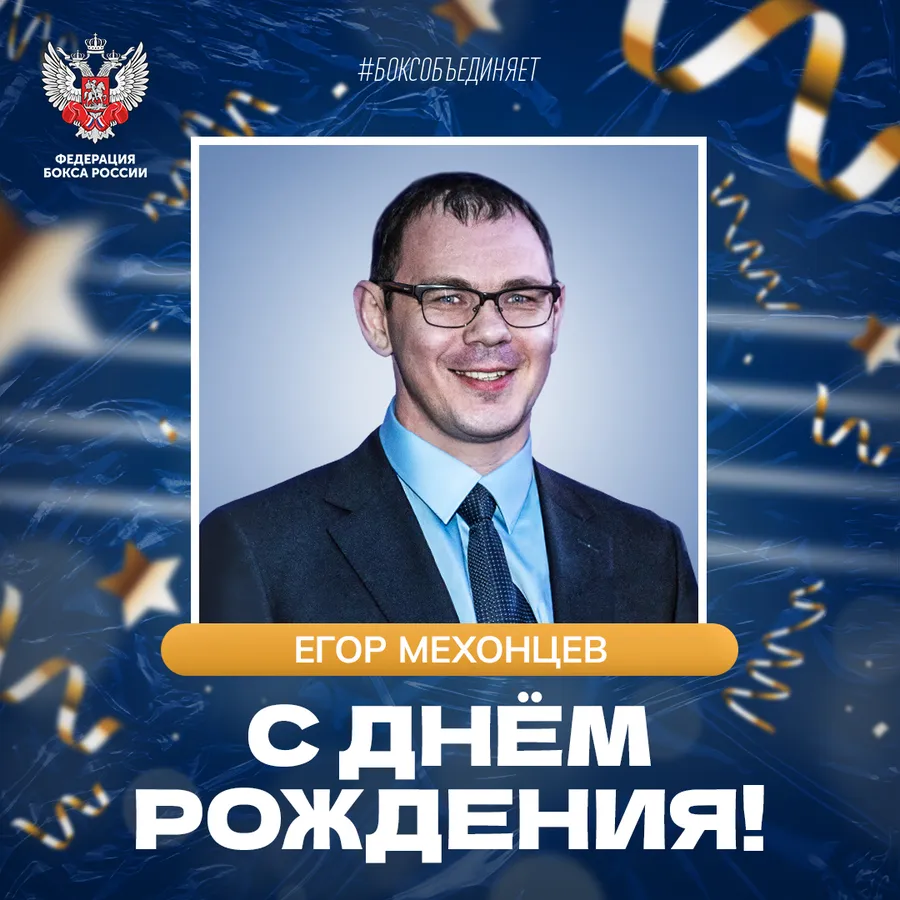 Egor Mekhontsev Egor Mekhontsev | Gold, London 2012, up to 81 kg | Asbest / Yekaterinburg, Dynamo |
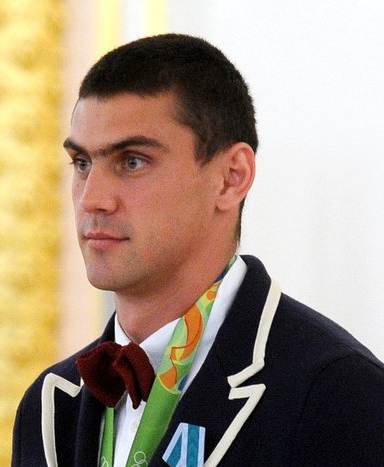 Yevgeny Tishchenko Yevgeny Tishchenko | Gold, Rio 2016, up to 91 kg | Belgorod Oblast |
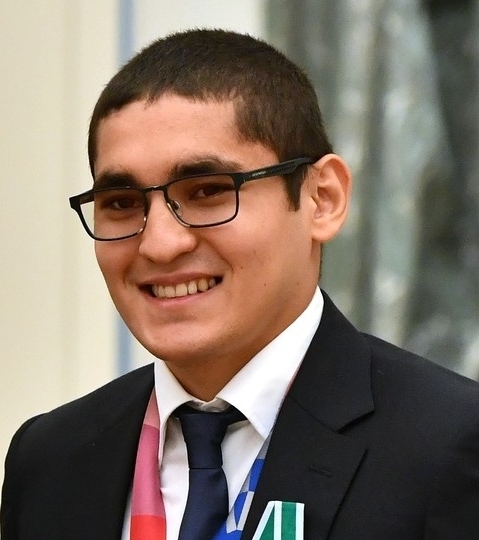 Albert Batyrgaziev Albert Batyrgaziev | Gold, Tokyo 2020, up to 57 kg | Dagestan / Khanty-Mansi Autonomous Okrug |
Well-known professional champions
| Boxer | Main title | Period |
|---|---|---|
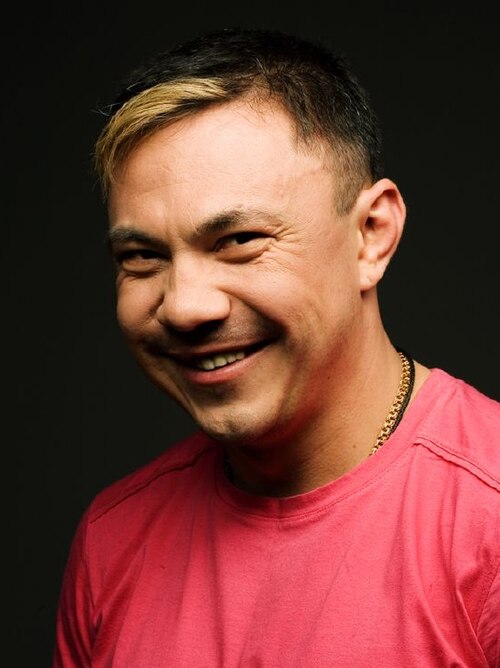 Kostya Tszyu Kostya Tszyu | IBF, WBC, WBA — light-welterweight | 1995–2005 |
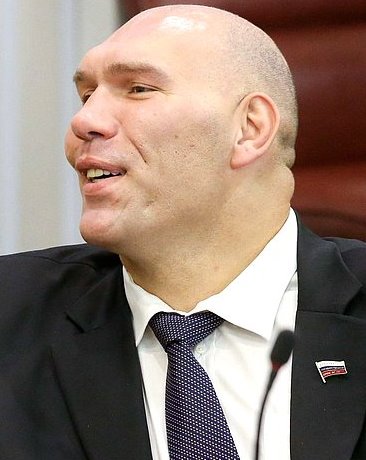 Nikolay Valuev Nikolay Valuev | WBA — heavyweight | 2005–2007; 2008–2009 |
| Alexander Povetkin | WBA Regular — heavyweight | 2011–2013 |
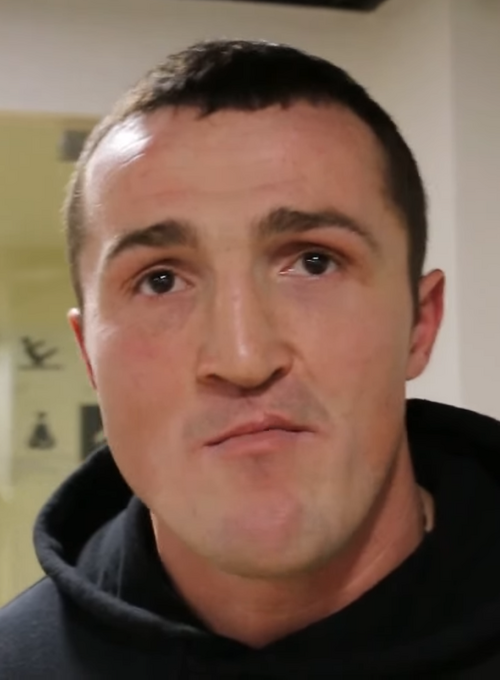 Denis Lebedev Denis Lebedev | WBA / IBF — cruiserweight | 2012–2018 |
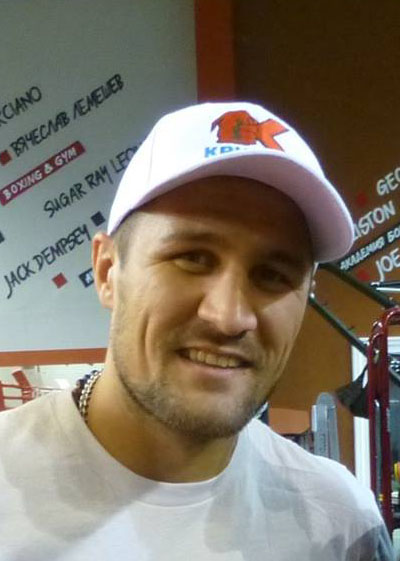 Sergey Kovalev Sergey Kovalev | WBO, IBF, WBA — light-heavyweight | 2013–2019 |
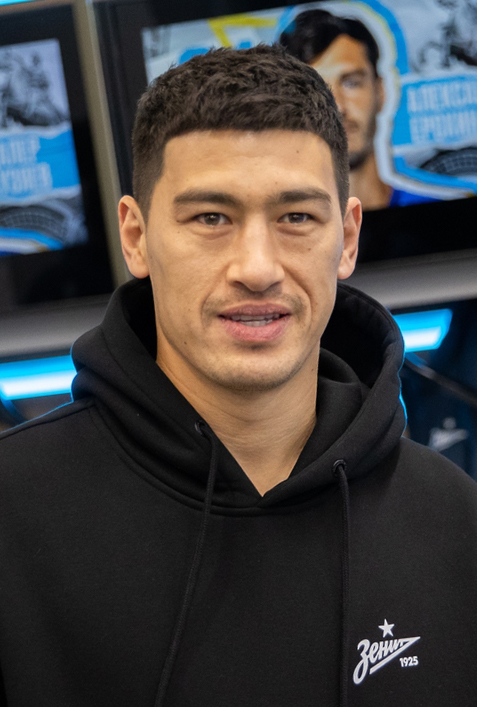 Dmitry Bivol Dmitry Bivol | WBA, IBF, WBO — light-heavyweight; Ring champion | 2017–2024; again from 2025 |
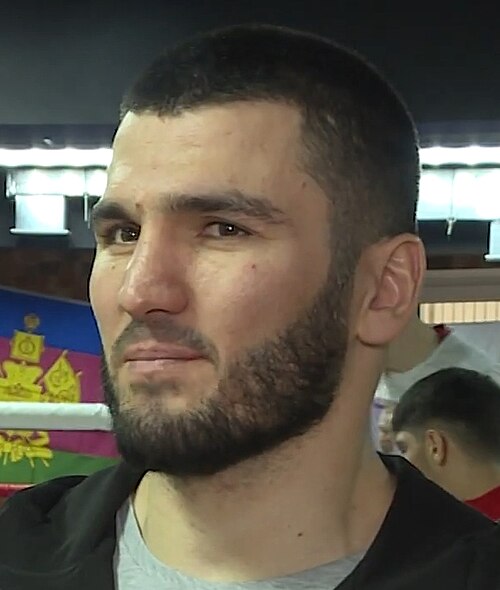 Artur Beterbiev Artur Beterbiev | WBC, IBF, WBO, WBA — light-heavyweight; Ring champion | 2017–2025 |
Worth noting
Kostya Tszyu, Dmitry Bivol and Artur Beterbiev are connected to the Russian boxing school and have competed, or still compete, as Russian boxers, but their biographies are multinational: Tszyu was born in Serov and later took Australian citizenship, Bivol was born in Kyrgyzstan, and Beterbiev was born in Dagestan and was based outside Russia during his professional career. This is typical for Russian boxing: a strong school does not always coincide with a single country of residence or promotional base.